
A tax holiday provides a temporary reduction or elimination of specific taxes, providing significant opportunities for both businesses and consumers. Understanding tax holidays thoroughly can help you navigate these opportunities, maximize the benefits they offer, and ensure compliance. Continue reading to learn more.
What is a Tax Holiday?
A tax holiday is a temporary time during which the government reduces or removes specific taxes to relieve taxpayers’ burdens and stimulate economic activity, such as consumer spending, company investment, and job creation.
A tax holiday is usually only for a few days or months. For example, the government may declare a tax holiday on weekends or during specific time periods, such as before the start of the school year or before storm season.
How Do Sales Tax Holidays Work?
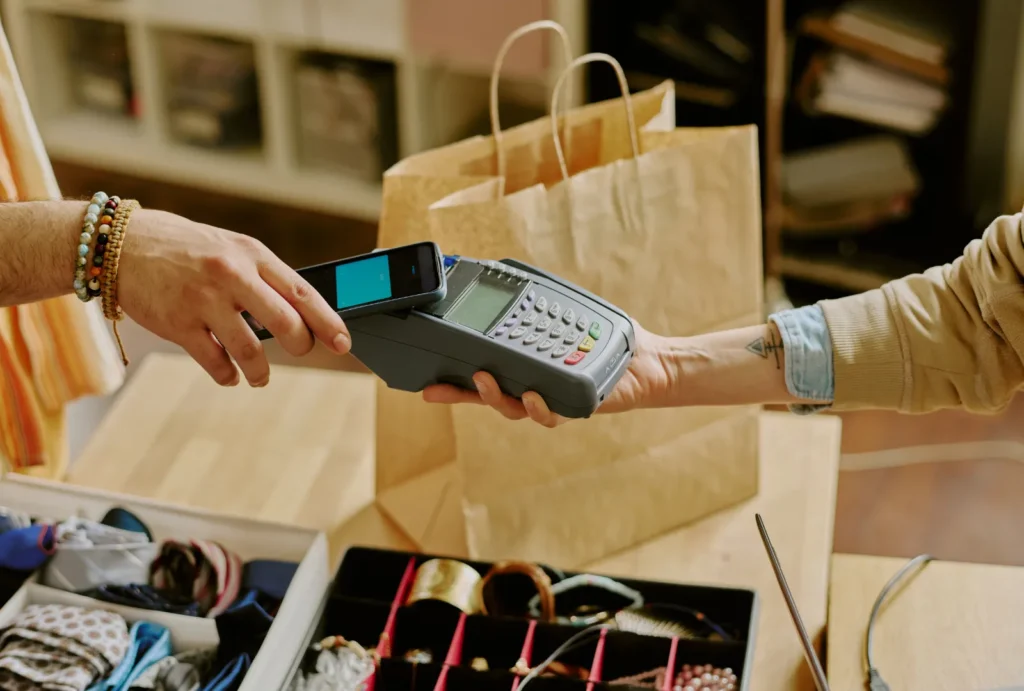 A sales tax holiday aims to reduce costs for consumers, increase sales for retailers, and boost local economies overall. For example, a sales tax holiday is frequently used in many states for back-to-school shopping and disaster preparedness.
These tax breaks frequently apply to specific products under certain conditions. For example, a sales waiver applies to school supplies such as notebooks, calculators, backpacks, apparel, and footwear with a price limit.
Batteries, generators, and flashlights are all examples of disaster preparedness items.
Some states additionally provide a sales tax break for energy-efficient appliances such as Energy Star-rated air conditioners and refrigerators. The sales tax holiday may apply to both in-store and online purchases, subject to certain criteria, such as payment within the holiday period.
Retailer Responsibilities During a Tax Holiday
During a tax holiday, retailers are responsible for following the right implementation according to state-specific guidelines and ensuring accurate records to maintain compliance.
Retailers must adjust their tax-collecting procedures, such as upgrading the system, to ensure that qualifying items are excluded during the tax holiday and that online platforms display exemptions for eligible products.
To comply with state guidelines, follow the specific regulations for qualifying items, price limitations, and holiday duration. Maintain thorough records of tax-exempt transactions and file accurate sales tax returns by separating taxable and exempt sales over the holiday season.
Examples of Tax Holidays in Florida
Florida’s Back-to-School Sales Tax Holiday
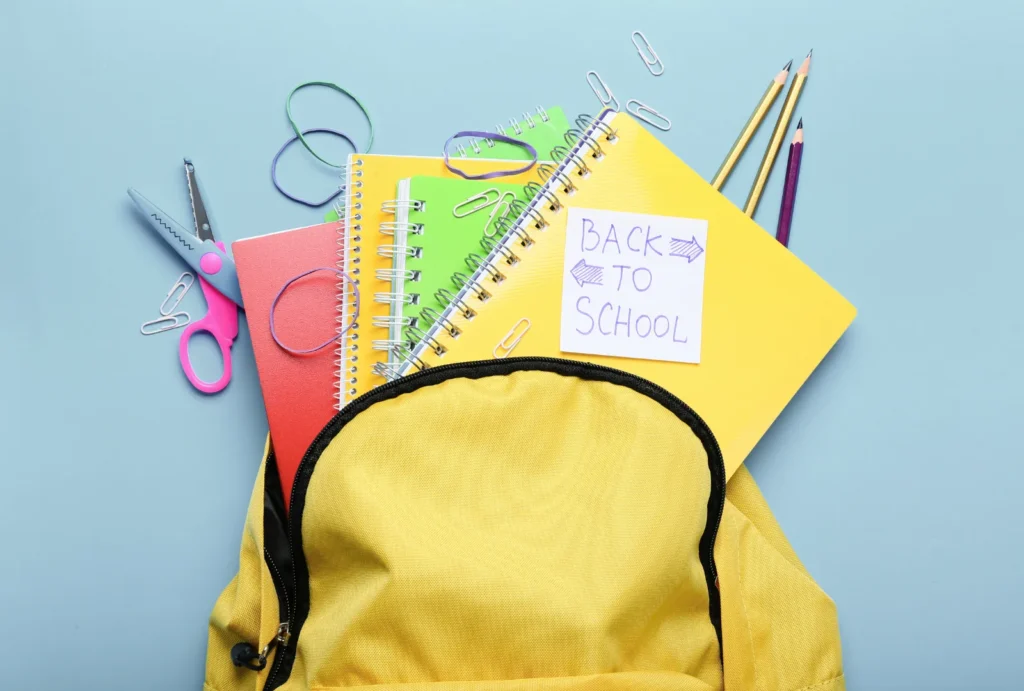
Florida has an annual back-to-school sales tax holiday that runs from August 1 to August 31. During this sales tax holiday, qualified items include:
- Clothing, footwear, wallets, bags, handbags, backpacks, fanny packs, and diaper bags priced at $100 or less per item.
- Specific school supplies priced at $50 or less per item.
- Learning aids and jigsaw puzzles with a sales price of $30 or less.
- Personal computers and computer-related accessories priced at $1,500 or less, purchased for noncommercial home or personal use.
Disaster Preparedness Sales Tax Holiday
Florida’s disaster preparedness sales tax holiday, effective August 1, 2025, is a permanent, year-round sales tax holiday on selected supplies. Qualifying items such as batteries, generators, fire extinguishers, smoke detectors, and others are tax-free at any time of the year.
Tool Time Sales Tax Holiday
Unlike previous years, Florida’s 2025 tax relief package does not include a tool time sales tax holiday, which is typically a tax-free purchase of equipment commonly used by skilled workers, such as power tools and work boots.
However, the state has included other sales tax holidays, such as the fishing, hunting, and camping sales tax holiday, which runs from September 8 to December 31, as well as a sales tax exemption for admissions and gold, silver, or platinum.
Energy-Efficient Appliances or Gas Tax Holidays
Energy-efficient appliances that support sustainability, such as Energy Star-rated washers, dishwashers, and refrigerators, are tax-exempt.
However, Florida currently does not offer an energy-efficient tax and gas exemption; instead, the state has transitioned to a permanent disaster preparedness exemption, with some qualified products overlapping with energy-efficient products.
Are Tax Holidays Effective?
Pros of Sales Tax Holidays
Sales tax holidays help boost local economies, benefiting both consumers and businesses. Sales tax holidays provide immediate relief to customers by lowering the prices of highly sought-after essentials, such as those for back-to-school qualified items, resulting in savings and a temporary ease in expenses for families, particularly those low-income families.
Moreover, sales tax holidays help strengthen local economies, benefiting both consumers and shops.
The disaster preparedness sales tax also encourages the community to stock up on crucial supplies, such as generators and batteries, ahead of extreme weather events like hurricane season, which improves public safety.
Cons of Sales Tax Holidays
As beneficial as it seems, the sales tax holiday also has its drawbacks.
For starters, it can create potential confusion in its rules, such as price caps and item definitions, resulting in misunderstandings between consumers and retailers and potentially causing compliance issues.
Second, studies have found that, while tax breaks increase spending, they change the timing of purchases rather than creating additional demand. For example, consumers may postpone purchases until the tax-free period, impeding long-term economic growth.
Lastly, temporary revenue dips as a result of tax exemptions can make it difficult for state and municipal governments to estimate accurately, complicating budgeting and adding additional uncertainty.

Legal Implications of Tax Holidays
During the period of tax holidays, it’s crucial for businesses to stay in compliance with the current regulations to prevent penalties and other tax issues, such as back taxes and audits.
In Florida, the sales tax holidays are governed by Chapter 212 of the Florida Statutes and administered by the Department of Revenue, which requires businesses to ensure proper application of exemptions.
This includes properly identifying qualifying items, correctly advertising tax holidays to consumers, and accurately reporting sales tax returns. Non-compliance with the rules may result in civil and criminal penalties, depending on the severity of the violations, such as those between negligence and willful intent.
Final Thoughts from Greenberg Law
Tax holidays are no doubt helpful for both consumers and retailers. Consumers can buy essentials at a lower cost, allowing them to save more, while retailers benefit from increased sales during this temporary period.
Although these exemptions provide temporary assistance, they are not a replacement for a comprehensive tax plan. Tax holidays are temporary, limited in scope, and don’t offer long-term financial benefits for managing taxes year-round.
For more about tax planning, guidance, or resolution, reach out to Greenberg Law Group. Our expertise can simplify your tax journey and help you achieve optimal results.