Can I Get An IRS Audit?

Facing an IRS audit can be a nerve-wracking experience, stirring up feelings of fear and anxiety. However, it’s essential to understand that audits serve a purpose and are conducted for specific reasons. So, to address the central question of this article, “Can I get an IRS audit?” the answer is yes, but typically only if specific triggers prompt the IRS to investigate your tax return. Let’s explore this topic further to gain a better understanding.


Can I Get An IRS Audit? Here Are Some Common Triggers:

Common IRS Audit Triggers 

If you are facing an audit, specific factors have likely triggered the IRS’s attention. These factors can include having a high income, engaging in risky financial activities, claiming unusual deductions, failing to file taxes, or discrepancies in the information provided on your tax returns. Anything that can raise a red flag could prompt an audit. 


Random Selection 

In some cases, individuals may undergo an audit purely due to random selection as part of the IRS’s efforts to maintain tax compliance across the board. It’s simply a routine measure to ensure taxpayers meet their obligations accurately and fairly. If you find yourself in this situation, there’s generally no need to worry, as it does not necessarily indicate any wrongdoing on your part.


Types of IRS Audits 

Understanding the different types of IRS audits is crucial, as each serves a distinct purpose and carries varying levels of severity. Here’s a breakdown of the three main types of IRS audits:

1. Correspondence Audit 

This is the most basic type of audit, conducted entirely by mail. The IRS sends notification letters requesting specific documentation or clarification on certain items reported on your tax returns. Responses are typically submitted by mail, and the audit is resolved through correspondence.

Learn more about the details by reading our article about IRS Audit Letters. 


2. Office Audit 

Office audits are more comprehensive than correspondence audits. In an office audit, you meet with an IRS officer in person at a local IRS office. The auditor reviews specific aspects of your tax returns and may request additional documentation or explanations. 


3. Field Audit 

The most extensive type of audit is conducted at your home or place of business. Field audits require face-to-face interactions and involve detailed examinations beyond the scope of correspondence or office audits. This type of audit typically occurs for individuals with high-income levels and complex tax issues


Can I get an IRS audit? - man sitting at desk counting his cash with a calculator, open notebook, phone, and iphone boxes sitting on desk


How to Reduce Your Risk of an Audit 

There’s no way of guaranteeing you won’t get audited by the IRS, but you can take steps to reduce the likelihood of being selected for one. Here’s how:


1. Accurate and Complete Tax Returns 

First, ensure you file your tax returns as completely and accurately as possible. By filing complete and accurate tax returns, you demonstrate transparency and compliance, reducing the likelihood of being targeted for an audit.

2. Be Cautious with Deductions and Credits 

Being realistic and honest with deductions and credits is essential to minimize the risk of triggering red flags during IRS review. While maximizing deductions to reduce tax liability can be tempting, exaggerating expenses without valid eligibility can lead to scrutiny and audits.

3. Keep Good Records 

Good record-keeping serves dual purposes: it ensures accurate tax reporting and provides evidence to support your claims in case of an IRS audit. Maintain records, such as receipts, invoices, bank statements, and other relevant documents, organized and easily accessible. 


What to Do If You Get Audited 

Don’t Panic 

If you receive an audit letter, remain calm and avoid panicking. While it’s natural to feel anxious, panicking won’t help resolve the situation. Take the time to read the letter carefully, understanding what aspects of your tax return the IRS is reviewing and what documents they request. Once you clearly understand the situation, you can begin to prepare accordingly.


Gather Your Documentation 

Organize all the documentation requested by the IRS. This may include receipts, bills, employment documents, and investment statements. Once everything is in place, double-check its accuracy and completeness and respond promptly. Remember, it’s of the utmost importance that you respond on time. Failure to meet deadlines can lead to further complications.


Consider Professional Help 

Dealing with an IRS audit demands careful and precise handling to resolve the issues effectively. Understanding the complexities of the audit process and gathering all requested information can be daunting. To ensure accuracy and thoroughness, consider seeking professional help. Tax attorneys know the ins and outs of IRS audits and can provide tailored responses to various audit scenarios.


can I get an IRS audit? - woman counting her $5 bills at her desk with her planner open


How Greenberg Law Group P.A. Can Help 

Our team at Greenberg Law Group specializes in navigating the complexities of tax law for individuals and businesses alike. With tailored solutions to various tax-related issues, our team is dedicated to safeguarding your financial interests and addressing your tax concerns professionally and professionally. From deciphering IRS correspondence to crafting effective responses, we’re here to assist you every step of the way.

Once we receive your case, we thoroughly evaluate the problem and identify the best solutions. We create a tailored action plan and work diligently until resolution is achieved, whether through completing the action plan or reaching an agreement. We’ll also provide you with valuable advice on preventing future IRS issues. 

Call us or take a quick assessment to set up a free consultation


End Note 

So, to answer the question, “Can I get an IRS audit?” Yes, you can. While the prospect of an IRS audit can be intimidating, it’s essential to remember that audits are conducted to ensure tax compliance and fairness across all taxpayer groups. By understanding the audit process and being prepared, you can confidently navigate an audit and minimize potential adverse outcomes. 

If you’re facing an audit or have concerns about your tax situation, don’t hesitate to contact us for professional assistance with the intricacy of tax-related matters.


Greenberg Law Group, P.A. - Get in touch today!

Can the IRS Make You Homeless? Understanding How Far the IRS Can Go to Collect Tax Debt

Getting in trouble with the authorities, especially the IRS, isn’t a pleasant experience. Beyond the complexity of processes, individuals who fail to address their tax debts may face hefty fines, severe legal consequences, and may potentially have to face the question: “Can the IRS take my home?” or even “Can the IRS make you homeless?”. 

We understand the stress of knowing that you could lose your home and how devastating that could be for you and your family. While the IRS can technically seize your house under the law, it’s also important to remember that the IRS doesn’t immediately take assets upon missing deadlines. 

There are stages that the authority must follow that involve sending notices and providing opportunities and options for taxpayers to address their debts. That’s why it’s of utmost importance to understand all your options so you can manage your debts effectively and prevent further problems. 

In this article, we’ll explore the question, “Can the IRS take my home?” and discuss IRS seizures, along with preventive measures to avoid reaching the final warning of intent to levy. 


The Power of the IRS in Tax Collections

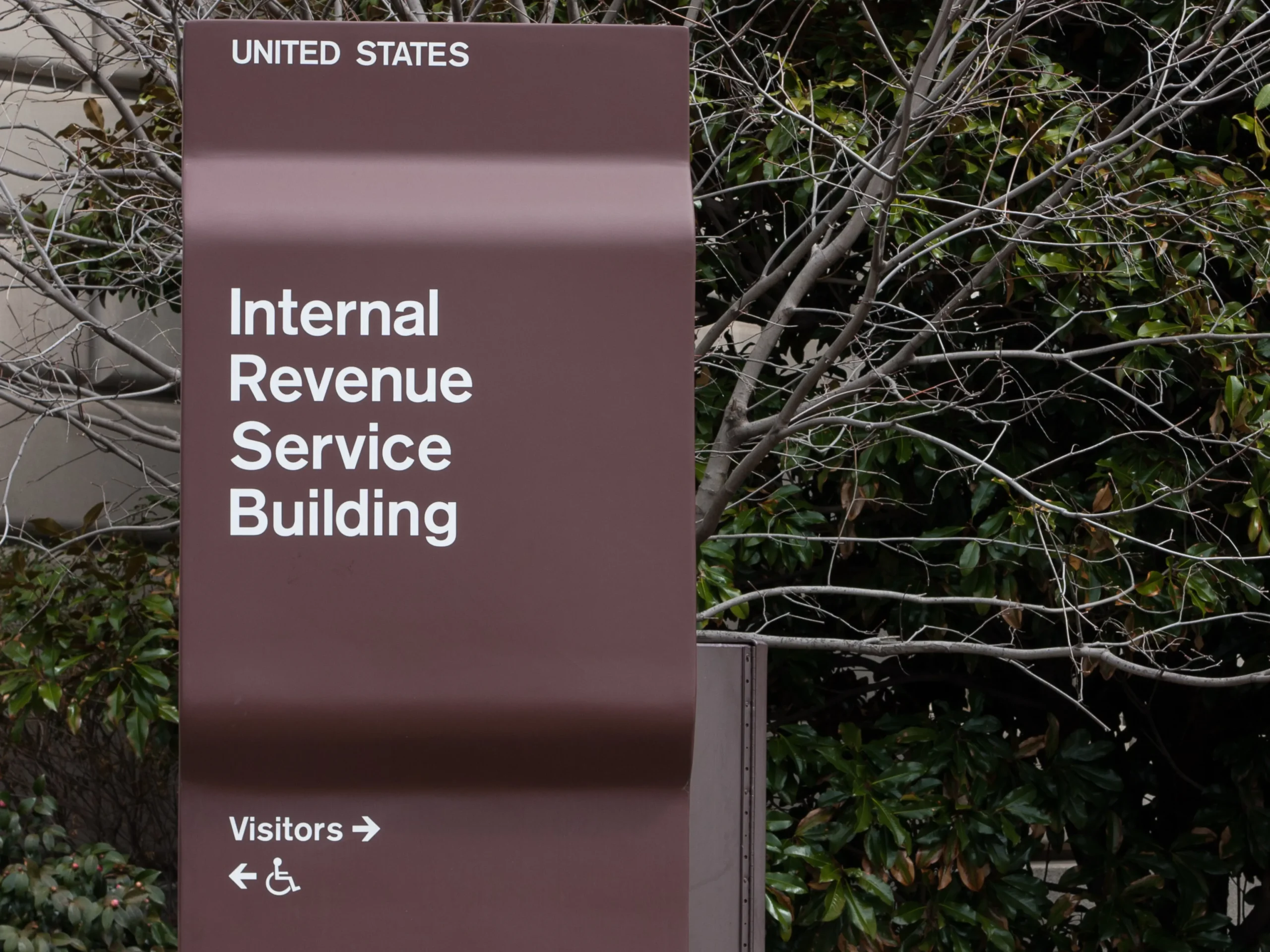
sign for the Internal Revenue Service Building

The Internal Revenue Service (IRS) is the legal authority in the United States responsible for collecting taxes and overseeing all tax-related actions. This includes managing tax liens, levying assets, and pursuing other legal measures to enforce the country’s tax laws. Whether you’re an individual taxpayer or a business entity, you’ll interact with the IRS to fulfill your tax obligations. 


Of course, engaging with the IRS doesn’t imply trouble; instead, it’s a necessary step in addressing your tax responsibilities. Taxpayers will only come under IRS scrutiny when they’ve missed their tax obligations, engaged in unlawful practices, or refused to cooperate. Understanding the scope of IRS authority helps taxpayers grasp the seriousness of tax debt issues, and why many wonder, “Can the IRS make you homeless if you can’t pay your taxes?”


The Process of IRS Seizure

As the legal entity responsible for tax enforcement, the IRS adheres to specific mechanisms and processes to ensure transparency and fairness in implementing tax laws for citizens. Therefore, when it comes to IRS seizures, there are obligatory steps that the authorities must follow, including informing taxpayers beforehand.


Issuance of a Federal Tax Lien

A federal tax lien is a legal claim by the government to seize a taxpayer’s assets, encompassing personal and financial holdings. Such a claim is issued in response to unpaid tax debt after the taxpayer has received notices and opportunities to settle the outstanding amount.

It’s crucial to understand that a federal tax lien doesn’t result in an immediate seizure of assets. Instead, it serves as a notification, indicating the government’s legal claim to the taxpayer’s assets if the debts remain unpaid. This highlights the gravity of the situation and the importance of addressing tax obligations to prevent potential asset seizures.

Can the IRS take my home? Short sale for sale sign in foreground, with residential home in the background

Final Notice of Intent to Levy

The final notice of intent to levy is one that taxpayers should pay close attention to and respond promptly, as it serves as a final warning and a notification that the government intends to seize your assets. Typically, the IRS provides a 30-day notice period from the date of the Final Notice before initiating the levy. This window allows taxpayers the opportunity to take corrective action. 

The notice outlines the specific assets the government intends to seize and includes a deadline. More importantly, it presents options for taxpayers to prevent the levy, such as entering into an installment agreement or appealing the decision through a collection due process (CDP). Being proactive during this notice period is crucial for individuals to explore and pursue the available alternatives to avoid your assets being seized. 


Can The IRS Make You Homeless? 

The IRS has the legal authority to seize assets, including your home, but only under certain circumstances. Remember that taking your assets is the last option that the IRS will take if taxpayers continue to fail to pay off their debts. 

person holding keys and holding a toy house

Significant Tax Debt and Non-Compliance

If you have a substantial debt and consistently miss payment deadlines while disregarding IRS notices, particularly the Final Notice of Intent to Levy, this constitutes a severe form of non-compliance. Such actions increase the likelihood of your home being seized by the IRS. 


Exemptions and Protections for Taxpayers

Exemptions and protections for taxpayers are in place to offer relief and safeguard specific assets in certain situations. If you’re unable to pay your debts in one lump sum, you have options, such as entering into a payment agreement with the IRS, allowing more time to manage and settle your debts effectively. Additionally, taxpayers have the right to appeal certain IRS actions through a CDP hearing if they disagree with decisions, providing an opportunity to present their case and explore resolutions.

Furthermore, exemptions like bankruptcy exist, and filing for it can temporarily halt IRS collection efforts.

Can the IRS take my home? Man and woman couple reading tax documents with expressions of distress


Options to Prevent Home Seizure 

The most effective strategy to prevent home seizures is to settle debts promptly. However, if immediate settlement is not feasible, there are alternative approaches. Respond swiftly to IRS letters and maintain open communication with them. Take the time to comprehend the available options, such as payment plans and offers in compromise, and assess which aligns best with your circumstances.

Navigating through these processes can be intricate. Hiring legal assistance, particularly from a tax attorney, can help you choose the optimal option based on your unique situation.


End Note

Avoiding trouble with the authorities, especially the IRS, is a common goal for everyone. It’s a complex and costly process that demands significant time and effort. The question: “Can the IRS take my home?” and “Can the IRS make you homeless?” is a natural concern when dealing with tax issues. 

As outlined in this article, while the IRS has the legal authority to seize homes, they are obligated to provide taxpayers with warnings and options for resolving their debts, considering individual circumstances and challenges. In essence, seizing assets, including homes, is considered a last resort, employed only when all available options have been presented without resolving.

If you’re facing any tax issues with the IRS and need assistance in resolving your concerns or clarifying questions, don’t hesitate to reach out to us at Greenberg Law Group, P.A. Our team of experts is ready to provide answers and guide you through the complexities of U.S. tax laws.


CTA for Greenberg Law

Can I Add Tax Owed to an Existing IRS Installment Agreement?

For many individuals, paying off entire debts in one go isn’t an option. Fortunately, there are alternatives, and the IRS installment agreement is one such solution. This approach allows taxpayers to strategize their debt payment, making it more manageable and preventing additional financial strain and further legal troubles with the authorities, such as levies

Now, what about owing additional taxes and incorporating them into an existing IRS installment agreement? The good news is that it’s possible. However, the feasibility depends on many factors. Continue reading to learn more about the details of installment agreements, eligibility criteria, the process of adding more tax owed to an existing IRS installment agreement, and more! 


Understanding IRS Installment Agreements 

An IRS installment agreement is a payment plan that allows taxpayers to settle their debt over time. The payment plan offers both short-term and long-term payment options. Short-term agreements involve clearing the debt within 180 days, while long-term agreements can extend up to 72 months.

To qualify for a short-term payment plan, individuals must have a total balance of less than $100,000 in combined tax, penalties, and interest. For a long-term payment plan, individuals with a combined tax liability, penalties, and interest of $50,000 or less and businesses with $25,000 or less in combined debt meet the eligibility criteria.

You can apply for these installment payments online

Note that interest and late-payment penalties will continue to be accrued on the unpaid debt during the installment agreement. 

Clipboard with an IRS Installment Agreement Request document and pen - How to Add New Tax Debt to Payment Plan


Adding New Tax Owed to an Existing IRS Installment Agreement

While the IRS typically doesn’t allow taxpayers to have two separate installment agreements, adding a new tax debt to an existing installment plan is possible. However, taxpayers must act swiftly before the IRS assesses the new tax balance and potential default occurs, triggering enforcement actions.


How to Add New Tax Debt to Payment Plan

Conditions for Adding Debt 

The IRS evaluates various factors when determining eligibility for incorporating new tax debt into an existing agreement. These considerations encompass the individual’s financial situation, payment history, total debt amount, and compliance with tax filing obligations.

Besides the specific rules and restrictions on different types of installment agreements, the IRS may also impose limitations based on taxpayers’ financial capabilities and history of compliance. Moreover, how often individuals request modification can also affect approval. For example, frequent requests may end up in more scrutiny. Therefore, it’s advisable to follow the process accordingly and consult your trusted tax attorney. Their expertise can assist you in achieving the desired outcome.

Impact on Existing Agreement Terms 

Incorporating new debt into an existing agreement can affect the current terms. Adding a new debt may result in adjusting your monthly payment plan, such as the amount of payment and the total repayment agreement. The IRS will evaluate your current financial situation, taking into account the new debt, and based on that, calculate the installment payments to ensure taxpayers can meet their obligations. 

Staying informed and maintaining open communication with the IRS can help navigate these adjustments effectively.

Person working on installment agreement at a desk with a laptop and calculator - How to Add New Tax Debt to Payment Plan


The Process of Modifying an IRS Installment Agreement 

Taxpayers can request the addition of new tax debt by using the IRS’s online payment agreement tool. Through this tool, you can revise the type of plan, payment amount, and payment due date. Individuals can also contact the IRS by phone or mail to set the changes. 

The documentation required depends on the nature of the modifications. Typically, the IRS may ask for documents such as tax returns, bank information, and collection information statements (Form 433-F). Additionally, set-up fees may be charged to cover the cost of providing the installment agreement. 


Seeking Professional Tax Assistance 

Navigating the complexities of tax laws is challenging, and errors may lead to significant issues with the authorities. That’s why seeking guidance from a tax attorney is crucial. Our expertise, legal representation, strategic planning, and proficiency in navigating tax intricacies can ensure optimal outcomes and offer peace of mind. If you require legal consultation, don’t hesitate to contact Greenberg Law Group, P.A. Our dedicated team is ready to assist you and provide the best advice for your specific situation.


End Note

Establishing a payment plan with the IRS is a proactive way to manage your debt and avoid potential issues. Compliance with current tax laws and maintaining open communication with the IRS are essential factors influencing the approval process if you intend to add additional debt to your existing IRS installment agreement. 

Don’t delay addressing your debt—reach out to us, and we’ll assist you in achieving the desired outcomes for your tax matters!


Greenberg Law Group, P.A. - Get in touch today!


Final Notice of Intent to Levy: What it Means

Receiving a final notice of intent to levy is a serious and urgent matter, marking your last opportunity to settle the outstanding debt before the IRS legally seizes your assets. While paying the entire debt immediately is the quickest resolution, there are alternative options if you can’t cover the total amount. 

In this article, we’ll delve into the details of the final notice of intent to levy, explore potential solutions, and discuss how seeking assistance from a tax professional can lead to a more favorable outcome. Read on to learn more. 


Understanding the Final Notice of Intent to Levy

Final Notice of Intent to Levy illustration with coins sitting on top of tax documents

The final notice of intent to levy is the IRS’s last warning, indicating their plan to seize your assets. The IRS can seize assets like cars and homes, business assets, funds in bank accounts, wages from employers, social security benefits, rights to property, and essentially anything beyond your necessities. In other words, the IRS can take almost everything, leaving you with very little. 

Before reaching this final stage, the IRS typically sends multiple notices, reminding taxpayers of their outstanding debts and offering opportunities to address the issue. The message will also outline your right to appeal under IRC Section 6330, providing taxpayers with a 30-day window to file.

Receiving this final notice is common for individuals with substantial tax debt or those who haven’t taken steps to resolve it. Acting promptly and appropriately is crucial to avoid assets seized by the IRS. 


Identifying a Final Notice of Intent to Levy 

A final notice of intent to levy typically includes all the basic information such as the taxpayer information (name, address, social security number, etc.), the amount owed, the tax period for which the debt is owed, payment instructions, the deadline for action, taxpayer rights, and contact information. 

The Legal Implications of the Notice 

As the official authority for tax matters in the United States, the IRS possesses the legal authority to seize assets to settle a tax debt, as outlined in IRS Code Section 6331. Failing to respond appropriately to the letter can lead to significant repercussions, including the immediate loss of assets, financial disruption, a detrimental impact on your financial reputation, and potential legal consequences such as hefty fines or even criminal charges. 

Timeframe and Deadlines 

Taxpayers must pay close attention to the various timelines and deadlines outlined in the notice. Begin by checking the notice’s date; this is the starting point for the timeline and indicates the urgency of the situation. Pay special attention to the response deadline, which may involve settling the debt or exploring alternatives, like the right to appeal (which we’ll discuss further in this article).

Adhering to these deadlines is crucial for preventing the seizure of assets and avoiding legal complications. 


Immediate Steps to Take After Receiving the Notice 

File tabs showing labels for tax law folder

When you receive the IRS’s Final Notice of Intent to Levy, it’s crucial to act immediately, as there are deadlines to meet.


Reviewing the Notice for Accuracy

Start by carefully reviewing the letter to ensure the information is accurate. If you spot any errors, your first step should be to contact the number on the notice or file an appeal. Alternatively, consider seeking professional advice to navigate the process more effectively.

Seeking Professional Assistance

If you have any uncertainties about the Final Notice, it’s advisable to consult with a tax professional. With their experience and knowledge, tax attorneys can guide you through the intricacies of tax laws.

Greenberg Law Group, P.A., specializes in all aspects of tax laws and can help you respond to the IRS’s Final Notice of Intent to Levy, ensuring the best possible outcome for your situation.


Possible Resolutions and Preventative Measures

Taxpayers receiving a Final Notice of Intent to Levy have several options for addressing their tax debt:


desk full of income tax documents, calculator, binder, and pens

Immediate full payment: The quickest resolution is to pay the entire debt immediately. This stops IRS collection activities.

Installment Agreement: An Installment Agreement (IA) is negotiated with the IRS, allowing taxpayers to make monthly payments. Note that the IRS will continue to charge interest, but as long as fees are paid, asset seizure is avoided. 

Offer in Compromise: This involves settling the debt for less than the total amount owed. Applying for an Offer in Compromise is complex, so professional help can be beneficial. 

Collection Due Process Hearing: Taxpayers have the right to appeal through a Collection Due Process Hearing. You have the opportunity to discuss alternative enforcement options before levy action is taken.

CNC Status: Also known as hardship status, Currently Not Collectible (CNC) status is when taxpayers present a collection information statement. This statement demonstrates that being compelled to pay would cause financial hardship.


To avoid future levies, taxpayers must stay proactive with their tax returns—ensuring accurate and timely filing. Regularly reviewing and addressing IRS letters is essential to prevent issues from escalating. If struggling to pay taxes, initiate communication with the IRS to discuss and establish a payment plan. Lastly, consider engaging a tax attorney to ensure all aspects of your tax matters are handled appropriately and promptly.


The Role of a Tax Attorney in Resolving a Levy Notice 

Navigating tax-related issues, especially when dealing with a final notice of intent to levy, is intricate and significant. Seeking the assistance of a tax law expert can not only minimize issues but often resolve and prevent tax disputes for taxpayers. If you want to avoid the complexities of managing your taxes, turn to Greenberg Law Group, P.A. We boast a team of experts ready to guide you through every step of the process. Whether it’s filing your taxes or negotiating with the IRS, we’ve got you covered!


End Note

Receiving a final notice of intent to levy shouldn’t be taken lightly, as the IRS holds the legal authority to seize your assets. To prevent this stage, it’s crucial to take proactive measures, including maintaining diligent tax filing practices and addressing issues early on.

However, if you do find yourself at the final notice stage, a tax attorney can guide you through this intricate process, ensuring you navigate the complexities of dealing with tax issues and the IRS effectively.

For trusted and professional assistance, reach out to our team at Greenberg Law Group, P.A. Our tax professionals are ready to provide the expertise you need. Let us know your specific situations, and we’ll ensure you receive the best available options.


Greenberg Law Group, P.A. - Get in touch today!

Tax Representation

We represent clients with tax problems

We specialize in tax law, including garnishments and seizures, offer in compromises, delinquent returns, payroll taxes and much more.

Audits

Most people are able to avoid an audit

after filing their taxes every year. However, an unlucky few do have to sit back as the IRS takes a closer look at their finances.

Liens & Levies

Tax liens can be placed on many assets

including homes, cars, bank accounts, and much more. The IRS utilizes levies to seize people’s property and garnish wages.